
Buy and Sell on Riwaya - the world's first online Islamic premium marketplace. We showcase hand selected sellers in the world and put their products in one website. Born in the COVID-19 pandemic, Riwaya looks to provide a platform to bridge the gap between amazing Islamic sellers and their customers.


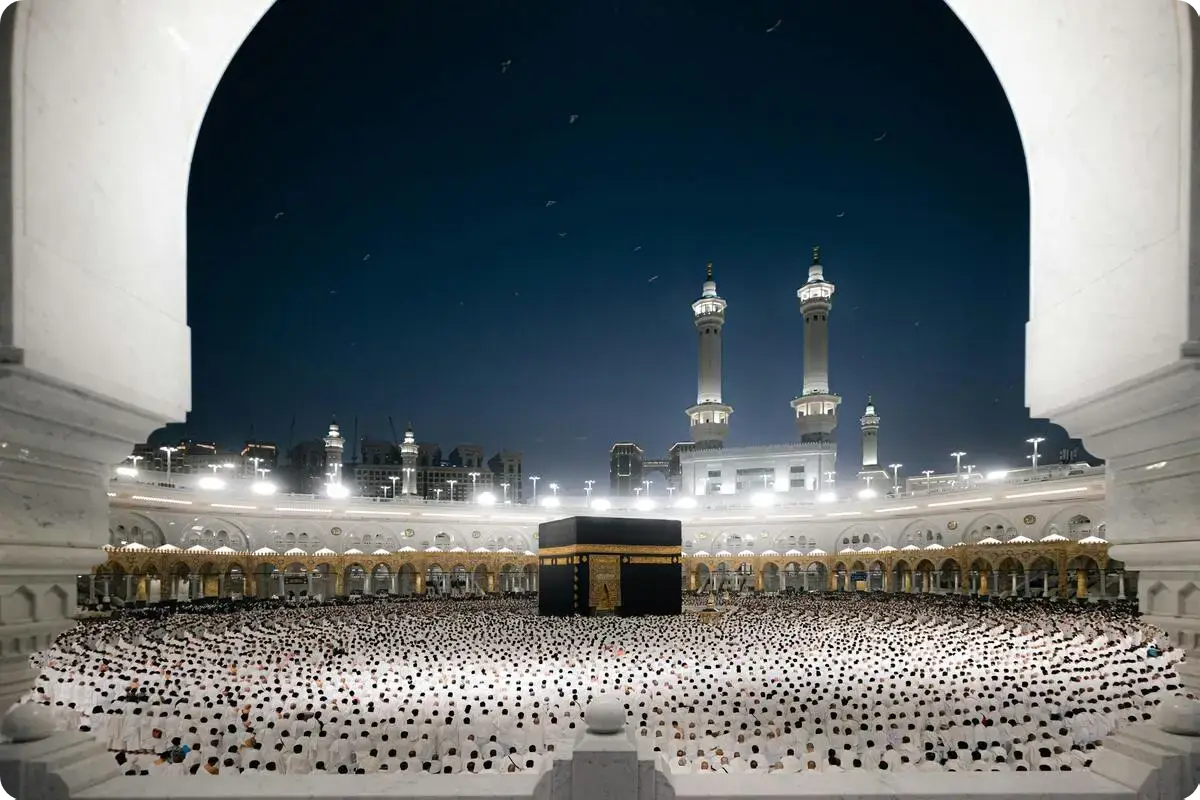
Hajj is more than a journey; it is a life-changing act of worship that every Muslim hopes to experience at least once.
If you’re planning ahead, knowing the exact dates is the first step. But understanding what those dates mean, how they affect your travel, and how to prepare makes all the difference.
Hajj in 2026 is expected to take place between 24 May and 29 May 2026, corresponding to the 8th to 13th of Dhul Hijjah in the Islamic calendar. These are the core days when the essential rituals of Hajj are performed in and around Makkah.
However, because the Islamic calendar follows the lunar cycle, these dates are subject to moon sighting and may shift slightly by a day. Still, for planning purposes, especially in the UK, these dates are reliable enough to arrange travel, leave, and finances.
The Hajj 2026 dates of 24-29 May represent the core pilgrimage days when millions of Muslims from around the world gather in Mecca. These dates correspond to specific days in the Islamic month of Dhul Hijjah, beginning with the Day of Tarwiyah (8th Dhul Hijjah) and concluding with the final Tawaf.
It's important to note that Islamic dates depend on moon sighting, so these dates may shift by a day. The Saudi authorities typically confirm final dates closer to the time, but for planning purposes, British Muslims can confidently use these dates for booking leave and making arrangements.
- 24 May (8th Dhul Hijjah): Day of Tarwiyah - pilgrims move to Mina
- 25 May (9th Dhul Hijjah): Day of Arafah- the most important day of Hajj
- 26 May (10th Dhul Hijjah): Eid al-Adha - stoning of Jamarat and sacrifice
- 27-29 May (11th-13th Dhul Hijjah): Days of Tashreeq - continued rituals in Mina
Read Also: The seven stages of Hajj
For UK pilgrims, Hajj is closer to a 10–14-day commitment. Most travel packages are structured around the core days of Hajj, but they include additional time for arrival, preparation, and departure.
Typically:
This means your realistic travel window will fall between:
20 May to 2 June 2026
This extra time helps you:
It also gives you time to perform additional acts of worship at Masjid al-Haram, which is a deeply rewarding part of the journey.
Hajj must be performed during specific days in Dhul Hijjah. Missing these days means waiting another full year. This is why planning early is essential, especially for UK Muslims, where work commitments, school schedules, and travel costs all come into play.
Allah says in the Qur’an that Hajj is performed in “well-known months,” emphasising that this act of worship is tied to specific, sacred timings.
Each day of Hajj carries deep meaning and specific rituals performed across key locations like Mina, Mount Arafat, and Muzdalifah.
The journey begins in Mina, where pilgrims prepare spiritually. It then moves to Arafah, the most important day, where millions stand in prayer, asking for forgiveness. The following day marks Eid al-Adha, combining sacrifice, reflection, and major rituals. The final days involve continued worship and the symbolic stoning of the pillars, representing the rejection of evil.
These are not easy days. Pilgrims often walk 5 to 20 kilometres daily, manage large crowds, and cope with intense heat. That’s why preparation, both physical and mental, is just as important as knowing the dates.
Read Also: 14 Essential Duas for Hajj
Technically, Hajj lasts 5 to 6 days, from the 8th to the 12th or 13th of Dhul Hijjah. But in reality, your journey will be longer due to travel and preparation.
Hajj holds a central place in Islam as one of the five pillars, making it a once-in-a-lifetime obligation for every Muslim who has the means. It is not just a physical journey to Makkah, but a deeply spiritual act of submission, unity, and renewal of faith. In the Qur’an, Allah commands:
“And [due] to Allah from the people is a pilgrimage to the House – for whoever is able to find a way there.”
This verse clearly establishes Hajj as a divine obligation, emphasising both its importance and the condition of ability. The pilgrimage reflects complete devotion to Allah, following the legacy of Prophet Ibrahim (AS) and the teachings of Prophet Muhammad (peace be upon him).
It is a time when Muslims leave behind worldly identities and stand equal before Allah, seeking forgiveness and spiritual purification.
While Hajj is obligatory, Islam does not place hardship on believers. Certain individuals are exempt from performing Hajj if they do not meet the required conditions. These include:
Islam emphasises ease and balance, so if a person genuinely lacks the ability, whether financial, physical, or personal, they are not held accountable. Hajj becomes obligatory only when the individual is fully capable of undertaking the journey without undue hardship.
But beyond the dates, Hajj is about intention and readiness. Whether you are planning to go or hoping to go in the future, understanding the timeline helps you take the first step.
For UK Muslims especially, early planning can make the journey smoother, financially, logistically, and spiritually.
And if you’re not going this year, remember: the days of Dhul Hijjah are still among the most blessed days of the year. Your effort, sincerity, and worship during this time still carry immense reward.
Explore our wide range of Hajj essentials, including hajj backpack, Hajj dua cards, hajj box, zamzam water bottles, travel prayer mats, tasbeeh, abaya, Ihram, and more from top-rated faith-aligned sellers.

From helpful tips to unique products, receive inspiration that makes life a little easier.
World's first online premium islamic gifts marketplace.


Shop at Riwaya and get discounts and vouchers from sellers of muslim community

If you'd like to contribute your story, insights, or tips, here's what you'll need to get started.