
Buy and Sell on Riwaya - the world's first online Islamic premium marketplace. We showcase hand selected sellers in the world and put their products in one website. Born in the COVID-19 pandemic, Riwaya looks to provide a platform to bridge the gap between amazing Islamic sellers and their customers.



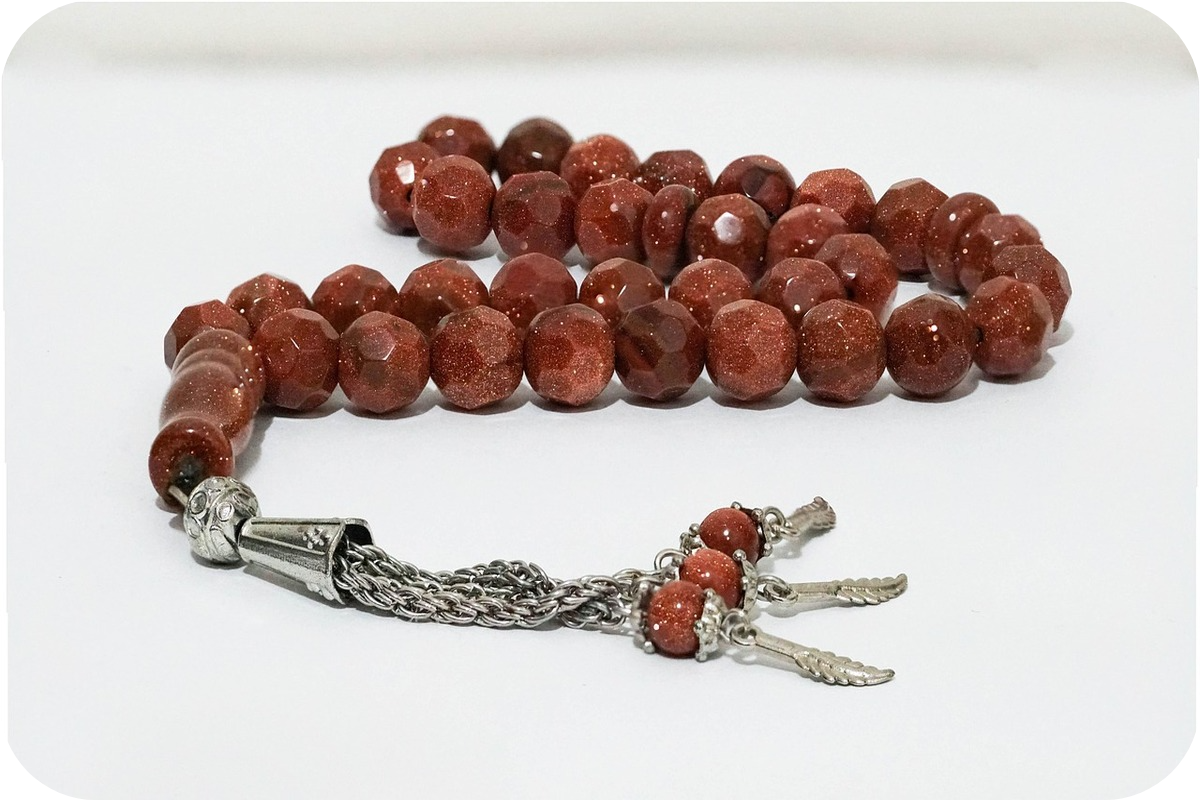
Remembrance of Allah is at the heart of a Muslim’s life. Allah tells us in the Qur’an:
“O you who believe! Remember Allah with much remembrance. And glorify Him morning and evening.”
(Surah Al Ahzab 33:41–42)
One of the simplest ways to practise this remembrance is through tasbeeh. Many Muslims use prayer beads to keep track of their dhikr. But what is tasbeeh exactly? How should it be used? And what are the benefits? This guide will explain everything in a clear and simple way.
If you are searching for what Islamic prayer beads are used for, Riwaya’s tasbeeh collection is a perfect place to start. They are not just prayer tools, but also meaningful gifts that remind others of remembrance.
The word tasbeeh comes from the Arabic root s-b-h, which means to glorify. In Islam, tasbeeh means praising Allah and remembering Him by saying words such as SubhanAllah (Glory be to Allah), Alhamdulillah (All praise is for Allah), and Allahu Akbar (Allah is the Greatest).
The Messenger of Allah (PBUH) said,
"The uttering of the words: 'Subhan-Allah (Allah is free from imperfection), Al-hamdu lillah (all praise is due to Allah), La ilaha illallah (there is no true god except Allah) and Allahu Akbar (Allah is the Greatest)' is dearer to me than anything over which the sun rises.”
(Riyad as-Salihin 1409)
This remembrance can be done at any time of the day. To make it easier, Muslims often use beads, also known as misbaha or subha.
So, what are prayer beads used for in Islam? The answer is simple. They are used to keep track while remembering Allah. Traditionally, a tasbeeh has 99 beads. These represent the 99 Names of Allah. Some have 33 beads, repeated three times to complete 99.
Prayer beads help Muslims count their recitations without losing focus. They are used for:
a. Reciting the 99 Names of Allah.
b. Reading SubhanAllah, Alhamdulillah, Allahu Akbar.
c. Making istighfar (saying Astaghfirullah - I seek forgiveness from Allah).
d. Sending salawat upon the Prophet Muhammad (PBUH).
The Prophet (PBUH) himself encouraged counting dhikr. One narration says that women used to count dhikr on date stones or pebbles. (Riyad as-Salihin 1442). This shows that using tasbeeh beads is part of a long tradition.
A common question is what to read for tasbeeh or what to read on a tasbeeh. The truth is, there are many options. Here are the most popular ones:
The Prophet Muhammad (PBUH) taught his daughter Fatimah (RA) a special remembrance. He said to recite:
a. SubhanAllah (33 times)
b. Alhamdulillah (33 times)
c. Allahu Akbar (34 times)
This is known as Tasbeeh Fatimah. It is often read before going to bed.
(Sahih al-Bukhari, Hadith 6318).
Many Muslims use tasbeeh to recite morning and evening supplications. This includes:
a. La ilaha illallah wahdahu la sharika lahu, lahul-mulku wa lahul-hamdu, wa huwa ‘ala kulli shay’in qadir (There is no god but Allah, alone, without partner. His is the dominion and His is the praise. He is over all things capable).
b. Reciting Allahumma salli ‘ala Muhammad wa ‘ala aali Muhammad brings immense reward and blessings.
c. Repeating Astaghfirullah is a way to seek forgiveness. Using tasbeeh helps to keep count, especially if you want to recite it 100 times a day.
So, when someone asks what to read with tasbeeh, the answer is: any remembrance of Allah.
Discover more beneficial and rewarding supplications in our complete guide: Morning and Evening Duas Every Muslim Should Know.
The passing of a loved one is a moment of sadness. Islam teaches us to remember Allah at this time and to make du’a for the deceased.
When someone dies, the recommended dhikr is to say:
“Inna lillahi wa inna ilayhi raji’un”
Indeed, to Allah we belong and to Him we shall return
(Surah Al Baqarah 2:156)
You may also recite Astaghfirullah and make dua for forgiveness for the deceased. Using a tasbeeh makes it easier to recite long dhikr or duas repeatedly.
So if you are wondering what tasbeeh to read when someone dies, it is not about one specific phrase but about constant remembrance and prayer for the deceased.
The Prophet Muhammad (PBUH) taught his uncle, Abbas ibn Abdul-Muttalib, a special prayer called Salatul Tasbeeh. It is four rak’ahs, and in each rak’ah a person recites Surah Al-Fatihah and another surah, followed by repeating SubhanAllah, Alhamdulillah, La ilaha illallah, and Allahu Akbar 75 times in different positions of the prayer (standing, bowing, prostrating, and sitting).
The total becomes 300 times across four rak’ahs. This prayer is said to expiate many types of sins, whether major or minor, old or new, hidden or open. The Prophet (PBUH) advised praying it daily if possible, otherwise weekly, monthly, or at least once in a lifetime.
Although scholars have different views on its authenticity, many Muslims still perform Salatul Tasbeeh as an optional act of worship.
Some hadith experts and medieval scholars, including Imam al-Tirmidhi, Imam al-Bayhaqi, Hafiz Ibn Hajar, al-Suyuti, and others—have considered its hadith as authentic (ṣaḥīḥ) or sound (ḥasan), citing numerous chains and its practice by figures like ʿAbd Allāh ibn al-Mubārak.
However, others, such as Ibn ‘Uthaymīn, Ibn Taymiyyah, Ibn Qudāmah, and Shaykh al-Islam Ibn Taymiyah have deemed the narration weak (ḍa‘īf) or unsubstantiated, arguing that such a distinctive prayer would have been more universally known and transmitted if truly from the Prophet (PBUH).
As a result, while some scholars permit it as a meritorious voluntary act, others discourage its practice due to concerns over its authenticity.
Now that we know what tasbeeh is and what to read with it, let us look at the benefits.
Tasbeeh beads keep your mind from wandering. They help you complete your count without losing track.
By keeping a tasbeeh nearby, it becomes easier to make dhikr daily. Whether at home, work, or while travelling, you can pick it up and remember Allah.
The Qur’an says:
“Verily, in the remembrance of Allah do hearts find rest.”
(Surah Ar-Ra’d 13:28)
Using tasbeeh makes remembrance more regular, which brings calmness and contentment.
Tasbeeh is a spiritual tool, but the type of beads you use can make the experience more personal. At Riwaya, you will find a wide collection of tasbeeh for every preference:
Shop Now: Black & Gold Bag Charm Tasbeeh from My Praise Beads
A stylish little accessory you’ll love to carry with you. This bag charm is made with 33 beads of labradorite and hematite, finished with a black agate pendant that adds a touch of elegance.
It’s designed as a mini tasbeeh that clips easily onto your bag, so you can keep it close at hand wherever you go.
Shop Now: Green Cat Eye & Wood tasbeeh
A beautifully crafted tasbeeh made with a calming mix of green cat eye, moonstone, and natural wood beads. The design is finished with a unique resin and wood pendant that gives it a natural, earthy charm.
With 99 beads, it’s perfect for daily use and reflection.
Shop Now: Olive Wood Tasbeehs
Carry a piece of Palestine with you in every dhikr. This tasbeeh is handmade from authentic olive wood, carefully crafted by local Palestinian artisans using branches from the annual trimming of olive trees.
Each bead is smooth, durable, and naturally unique, with its own grain and character. Olive wood is valued not only for its beauty but also for its deep cultural and spiritual meaning, symbolising resilience and connection to the land.
Shop Now: White Fan Tassel Tasbeeh
A graceful tasbeeh designed with natural trochus shell beads, paired with matte white and gold accents for a soft, elegant finish. The pendant is a freshwater pearl, adding a timeless touch of beauty.
With 99 beads, it’s perfect for daily dhikr and reflection.
Each tasbeeh comes in a luxurious pouch and gift box, making it a thoughtful gift or a special keepsake for yourself.
Tasbeeh is one of the simplest yet most powerful ways to remember Allah. It means glorifying Him through words like SubhanAllah, Alhamdulillah, and Allahu Akbar. Prayer beads are used to help count these recitations with focus.
We have seen what to read on a tasbeeh, what tasbeeh to read when someone dies, and even what Salatul Tasbeeh is. All of these show that tasbeeh is more than beads. it is a connection to Allah.
At Riwaya, we encourage you to make tasbeeh part of your daily life. Explore our range of authentic Islamic prayer beads and choose the one that helps you build a closer bond with Allah.
If you create or sell Islamic products like prayer beads, books, or home essentials, Riwaya is the perfect place to showcase them. We are a trusted Islamic marketplace where Muslims come looking for items that strengthen their faith and enrich their daily worship.
From beautifully crafted tasbeeh to inspiring Islamic books and gifts, we help you reach people who truly value your work. You don’t need your own website or online shop. Riwaya makes it simple and affordable to start.
Join our growing community and let your products inspire hearts and bring barakah to homes across the UK and beyond.

From helpful tips to unique products, receive inspiration that makes life a little easier.
World's first online premium islamic gifts marketplace.


Shop at Riwaya and get discounts and vouchers from sellers of muslim community

If you'd like to contribute your story, insights, or tips, here's what you'll need to get started.