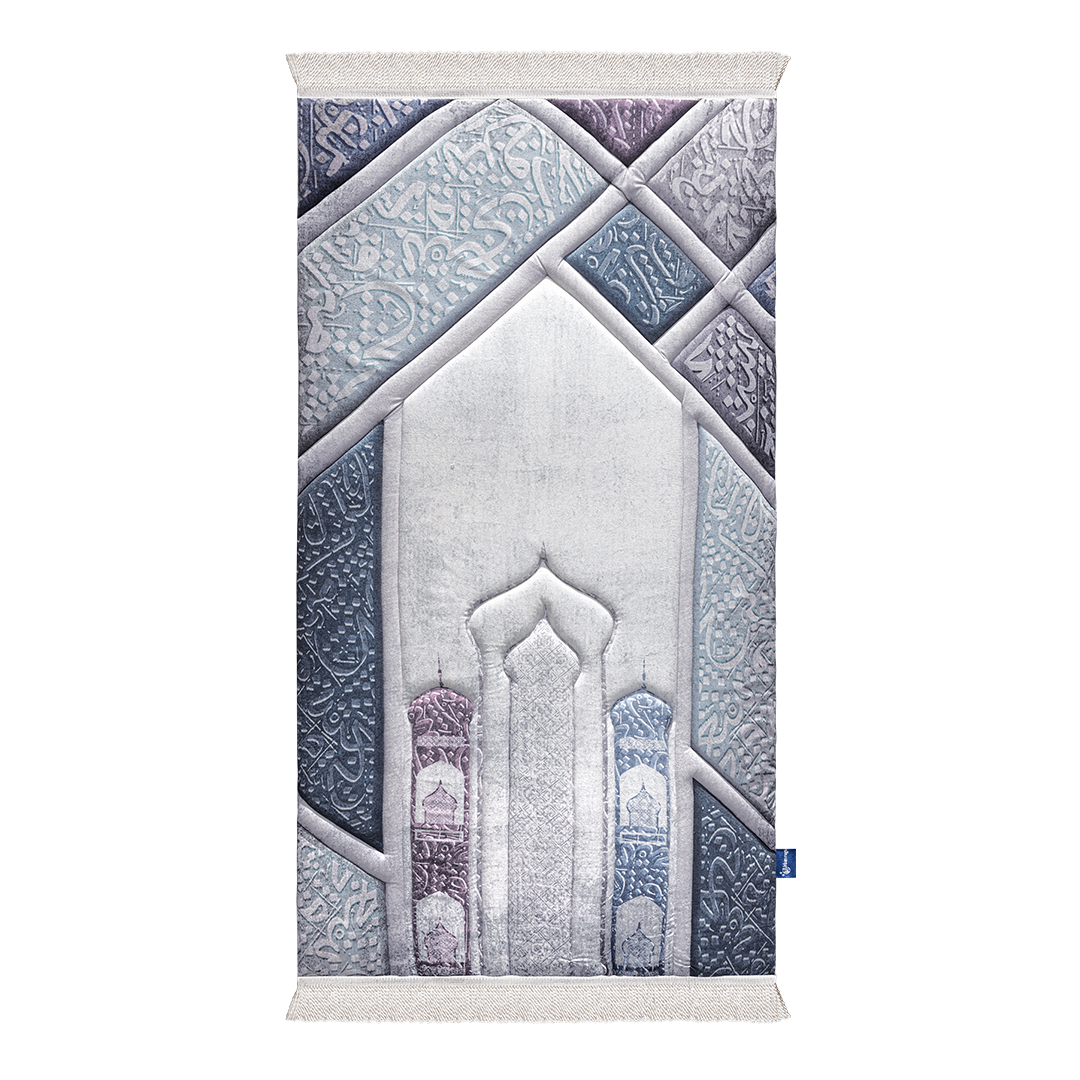

Buy and Sell on Riwaya - the world's first online Islamic premium marketplace. We showcase hand selected sellers in the world and put their products in one website. Born in the COVID-19 pandemic, Riwaya looks to provide a platform to bridge the gap between amazing Islamic sellers and their customers.


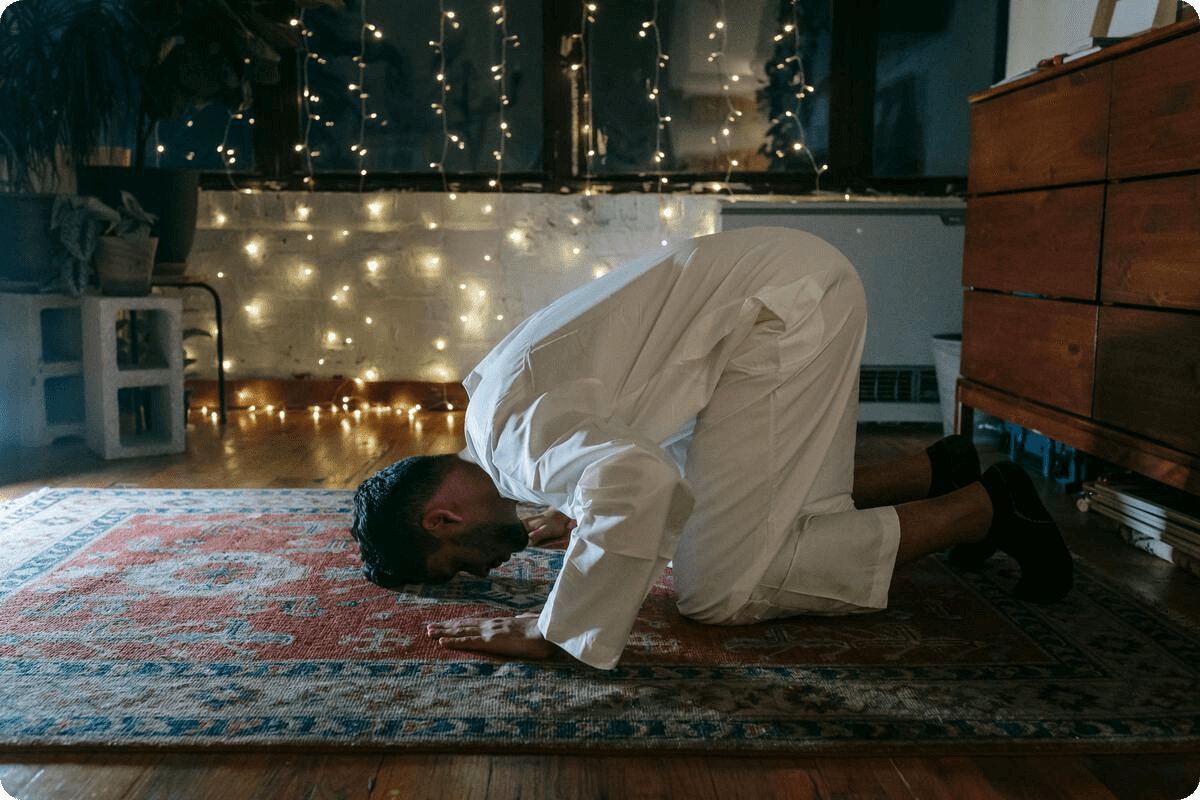
A prayer mat (sajjadah) is more than just a piece of fabric. For Muslims, it’s a sacred space where one connects with Allah during salah. Because it is used daily, a prayer mat can collect dust, sweat, and even stains. Over time, this may affect its cleanliness and durability.
But many prayer mats are delicate. They’re made of fabrics like wool, velvet, or cotton blends that can easily shrink, lose colour, or lose their softness if washed incorrectly. And while it’s tempting to toss your mat into the washing machine, that isn’t always the best idea.
That’s why knowing how to clean a prayer mat without damaging its fabric is important. In this guide, we’ll explore the right way to care for different types of prayer mats, safe washing methods, how often to clean them, and some dos and don’ts every Muslim should know.
Yes, but with care. Washing your prayer mat is part of maintaining hygiene and respect for the space where you pray. The Prophet (PBUH) emphasised cleanliness as half of faith, and keeping your mat clean reflects that principle.
“Cleanliness is half of faith.”
(Sahih Muslim 223)
However, prayer mats are made from various materials, and not all can withstand the same cleaning process. Some are delicate and require hand washing, while others may handle a washing machine cycle. The point is to clean them in a way that preserves their fabric and design.
It also helps remove germs, dust mites, and odours. It ultimately makes your salah more comfortable and spiritually uplifting.

Cotton mats are light, soft, and breathable. They absorb sweat easily but also attract dust. Cotton is usually washable at home, either by hand or in a gentle machine cycle. The fabric is sturdy but may shrink if exposed to hot water.
Woollen prayer mats are thicker and warmer, often used in colder regions. They are durable but more sensitive to washing. Wool can lose shape or become rough if not treated properly. For these mats, hand washing or dry cleaning is recommended.
Polyester and synthetic mats are popular due to their durability and resistance to stains. They can usually be machine-washed on gentle cycles. However, avoid harsh detergents as they may damage the fibres or dull the colours.
Some prayer rugs are made of delicate velvet, silk, or come with intricate embroidery. These require extra caution. They should not be machine-washed; instead, spot cleaning or professional dry cleaning is the safest option.
Quick Note: Looking for different types of prayer mats? What if we tell you you can buy a variety of Salah mats - all in one place?
At Riwaya, you buy every kind of prayer rug, be it a cotton prayer mat for everyday use, a travel mat for Muslims on the go, or a padded/foldable Salah rug for elders, or a personalised embroidered rug for gifting! Explore now!
We’re sharing five different methods to clean and maintain your Salah mats, based on fabric type and usage. However, before you plan to try these methods, make sure you look for the care label on your prayer rug.
Hand washing is the safest way to clean most prayer mats, especially cotton, wool, or those with embroidery. It gives you control over how much pressure and water you use.
a. Fill a bucket or basin with lukewarm water.
b. Add a small amount of mild detergent (avoid bleach or strong chemicals). c. Dip a soft sponge or cloth into the water. d. Gently rub the surface of the mat, paying attention to stained or dusty areas. e. Rinse with clean water until no soap remains. f. Press out excess water without twisting the mat. g. Hang the mat in a shaded, airy spot to dry.
It keeps fibres intact and prevents colour fading. It’s particularly good for wool and handmade mats that are too delicate for machines.
Machine washing is convenient for mats made of cotton, polyester, or other sturdy materials. But it should only be done if the care label confirms it’s safe.
a. Shake off dust before placing the mat in the machine. b. Place the mat inside a laundry bag to avoid friction damage. c. Use a delicate or gentle cycle. d. Wash with cold or lukewarm water (never hot, as it can shrink fibres). e. Add a mild detergent, avoiding fabric softeners or bleach. f. After the wash, air dry the mat flat or hang it in the shade.
Tip: Never put a prayer mat in a dryer, as heat can ruin the fabric and cause shrinkage.
Sometimes the whole mat doesn’t need cleaning, just a stain does. Spot washing is best for food spills, sweat marks, or mud stains.
a. Mix a small amount of detergent with water. (Optional: add a few drops of lemon juice for stain removal, or diluted white vinegar for odour control, always patch-test first) b. Dip a soft cloth into the solution. c. Gently blot the stain (do not rub, as rubbing spreads the stain and damages fibres). d. Use a clean, damp cloth to remove detergent residue. e. Pat the area dry with a towel and let it air dry.
Spot washing is ideal for velvet, silk, or padded mats that cannot be soaked or machine-washed.
For delicate mats like silk, velvet, or those with detailed embroidery and tassels, dry cleaning is the safest option. Professionals use gentle cleaning agents that don’t involve soaking in water, which prevents damage to fine fibres.
- If your mat is expensive or handmade. - If the care label recommends it. - If the fabric is too delicate for water-based cleaning.
Though it costs more, dry cleaning helps extend the life of the mats that you want to keep for years.
Vacuuming doesn’t replace washing, but it helps keep the mat clean on a regular basis. Prayer mats collect dust, dirt, and even crumbs over time, which can affect cleanliness during Salah.
a. Use a vacuum with a soft brush attachment. b. Gently run it over the mat’s surface. c. Avoid using strong suction or rough brushes that can pull at the fibres. d. Do this weekly, especially if the mat is placed on the floor regularly.
Regular vacuuming reduces the need for frequent deep washes, prevents dust build-up, and keeps the mat fresh for daily use.
How often you wash your prayer mat really depends on how often it’s used and the environment it’s kept in. If you pray on it daily, a proper wash every one to two months is usually enough to keep it clean and fresh.
For mats that are used occasionally, washing every three to four months should be fine. Shared mats, like those in mosques or offices, need more frequent cleaning since they go through higher foot traffic and can collect dirt faster.
If you accidentally spill food, sweat, or dirt on the mat, it’s best to spot clean it right away rather than waiting for the next deep clean. A simple routine works best: vacuum the mat weekly to remove dust and debris, and give it a thorough wash every few months.
Do’s | Don’ts |
Vacuum your mat regularly to remove dust and debris. | Don’t use harsh chemicals like bleach or strong detergents that weaken fibres. |
Spot clean stains immediately with mild soap, vinegar, or lemon-water solutions. | Don’t scrub or rub stains aggressively; this can damage the fabric. |
Wash according to the fabric type (hand wash wool, machine wash cotton/polyester if safe). | Don’t expose the mat to direct, prolonged sunlight, as it may cause fading. |
Air-dry the mat in a shaded, well-ventilated area. | Don’t put your mat in a dryer, as heat can shrink or warp the fabric. |
Roll or fold neatly when not in use to avoid creases. | Don’t store the mat in damp areas where mould or odour can develop. |
Use a prayer mat cover or carry bag for protection when travelling. | Don’t place heavy furniture or objects on the mat; this flattens fibres and ruins texture. |
Rotate the mat occasionally to even out wear and tear. | Don’t walk on the prayer mat with dirty feet. |
Follow label instructions if your mat has special care guidelines. | Don’t ignore odours; wash promptly if the mat starts to smell. |
A prayer mat goes through daily use, so some wear and tear is natural. But how you care for it makes all the difference. Washing it the right way not only protects the fabric but also keeps your worship space pure and inviting.
Think of it as a small act of respect towards your Salah, your health, and the blessing of having a clean place to pray. With regular upkeep and the right cleaning method, your mat will serve you well for years, without losing its comfort or beauty.
Do you sell Islamic products and want to bring more sales to your table?
Riwaya can be your partner in boosting your brand’s presence online. With 100s of sellers onboard and 100000s of monthly visitors, we make it easier for you to reach a huge market of Muslim customers. Our behind-the-scenes team handles everything from SEO to marketing and product listings, so you can focus on what you do best: selling your amazing products!
Scale your business with us! Still unsure? Join us for one month FREE and see the difference yourself!

From helpful tips to unique products, receive inspiration that makes life a little easier.
World's first online premium islamic gifts marketplace.


Shop at Riwaya and get discounts and vouchers from sellers of muslim community

If you'd like to contribute your story, insights, or tips, here's what you'll need to get started.