
Buy and Sell on Riwaya - the world's first online Islamic premium marketplace. We showcase hand selected sellers in the world and put their products in one website. Born in the COVID-19 pandemic, Riwaya looks to provide a platform to bridge the gap between amazing Islamic sellers and their customers.


If you've ever found yourself confused about the differences between Tahajjud, Witr, Qiyam al-Layl, and Taraweeh, you're not alone. Many Muslims struggle to understand how Tahajjud prayer differs from other Islamic prayers, especially when online sources seem to contradict each other.
This guide cuts through the confusion with clear, authentic explanations you can trust.
Night prayers hold a special place in Islamic worship, but their similarities often lead to mix-ups. Whether you're a new Muslim or a parent teaching your teenagers, understanding these distinctions is necessary.
Muslims encounter unique challenges when learning about night prayers. The terminology often overlaps, with some scholars using terms interchangeably while others insist on strict distinctions.
You might hear your local imam refer to "Qiyam" during Ramadan, then read online that Qiyam and Tahajjud are completely different.
Many Muslims end up avoiding voluntary night prayers altogether, worried they'll "do it wrong". This hesitation robs them of incredible spiritual rewards.
Authentic sources - the Quran, verified Hadith collections, and established scholars - provide the clarity you need. The Prophet Muhammad (peace be upon him) himself distinguished between.
When seeking guidance, prioritise:
- Established Islamic institutions like the Islamic Foundation or East London Mosque.
- Qualified UK-based scholars who understand the local context
Here's what sets Tahajjud apart from every other prayer: you must sleep first, then wake up specifically to pray. This isn't optional or recommended; it's the defining characteristic of Tahajjud.
Think about it this way:
- If you stay awake after Isha and pray at 2 AM, that's Qiyam al-Layl.
- If you sleep after Isha and wake at 2 AM to pray, that's Tahajjud.
(The same prayer, but the sleep makes all the difference.)
This requirement transforms Tahajjud into an act of sacrifice. You're literally interrupting your rest to connect with Allah. The spiritual weight of this action is unmatched.
The Quran specifically mentions rising from sleep for night prayer.
"And rise at ˹the last˺ part of the night, offering additional prayers, so your Lord may raise you to a station of praise."
Multiple authentic Hadith reinforce this distinction. The Prophet (peace be upon him) would sleep after Isha, then wake in the last third of the night for Tahajjud. His wife Aisha reported that he never missed this practice, even when travelling.
One of the Hadith states the virtues and significance of Tahajjud Prayer. The Prophet (PBUH) said,
"Our Lord, the Blessed, the Superior, comes every night down on the nearest Heaven to us when the last third of the night remains, saying: "Is there anyone to invoke Me, so that I may respond to invocation? Is there anyone to ask Me, so that I may grant him his request? Is there anyone seeking My forgiveness, so that I may forgive him?"
Islamic scholars across all four madhabs agree on this fundamental requirement. Whether you follow Hanafi, Shafi'i, Maliki, or Hanbali interpretations, the sleep prerequisite remains consistent.
Qiyam al-Layl literally means "standing at night" and encompasses all voluntary night prayers after Isha. Tahajjud is a specific type of Qiyam al-Layl with additional conditions.
Here's the relationship:
- Qiyam al-Layl: The umbrella term for all night prayers
- Tahajjud: A subcategory requiring sleep first
Think of it like the relationship between cars and vehicles. All cars are vehicles, but not all vehicles are cars. This technical distinction helps you understand scholarly texts and lectures more accurately.
Witr and Tahajjud serve different spiritual purposes and follow different timing rules. Understanding these differences helps you structure your night worship effectively.
Witr characteristics | Tahajjud characteristics |
1. Prayed in odd numbers | 1. Prayed after sleeping and waking |
2. Traditionally, the last prayer before sleep | 2. Usually 2-8 rakats in pairs |
3. Can be prayed anytime after Isha until Fajr | 3. Best time is the last third of the night |
4. Strongly emphasised Sunnah (Many scholars consider it Wajib) | 4. Purely voluntary (Nafl) prayer |
Witr serves as a "seal" for your daily prayers, closing your worship with an odd number beloved by Allah. The Prophet (peace be upon him) said, "Allah is One and loves odd numbers."
Tahajjud represents a private conversation with Allah when the world sleeps. Its spiritual intention focuses on:

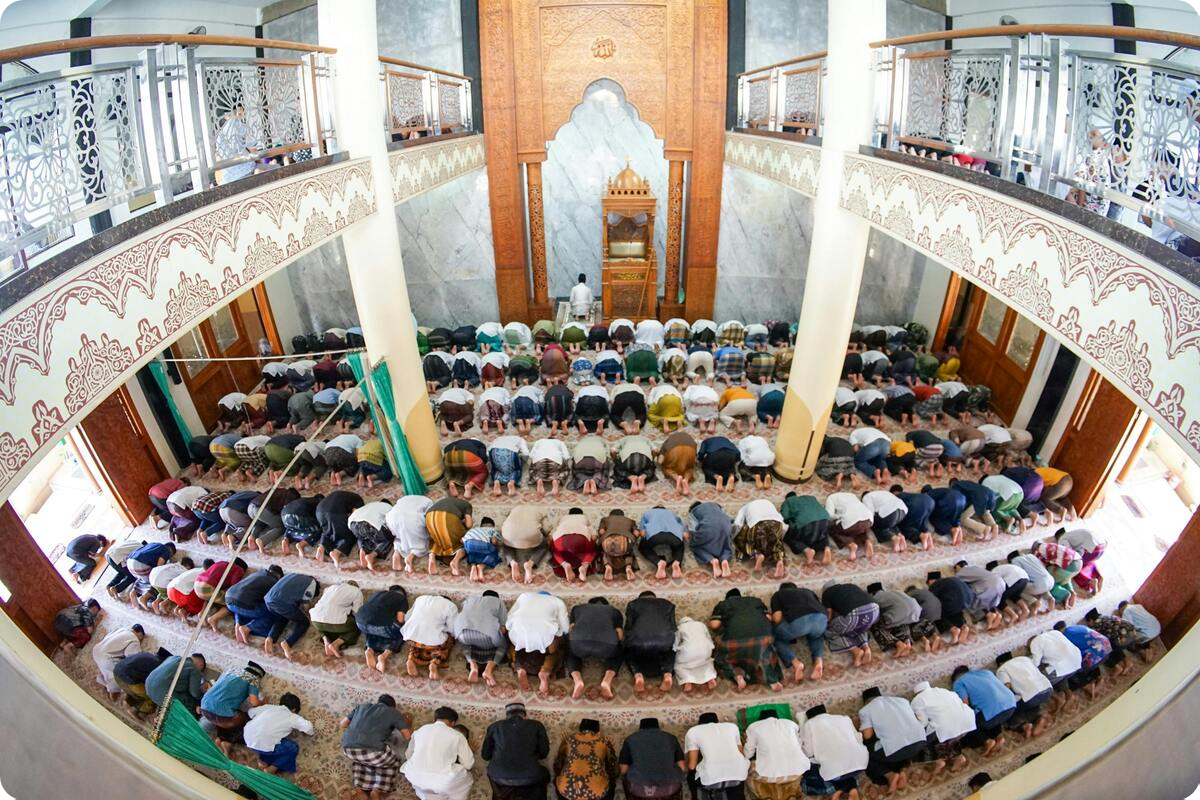
Taraweeh prayers create the special Ramadan atmosphere we all love, but they're fundamentally different from Tahajjud in several ways:
Taraweeh | Tahajjud |
1. Exclusive to Ramadan | 1. Available all year round |
2. Performed in congregation at mosques | 2. Usually prayed alone at home |
3. Prayed immediately after Isha | 3. Requires sleeping first |
4. 8 or 20 rakats | 4. 2-8 rakats typically |
5. Social and communal experience | 5. Intensely personal experience |
Outside Ramadan, few UK mosques open for Tahajjud since it's primarily an individual practice. However, some Islamic centres run monthly Qiyam programs to encourage night prayer habits.
Notable UK mosques with strong night prayer programs include:
- East London Mosque (regular Qiyam nights)
- Birmingham Central Mosque (Ramadan Tahajjud facilities)
- Manchester Islamic Centre (youth Qiyam programs)
Understanding how Tahajjud prayer differs from other Islamic prayers opens doors to deeper spiritual practice. The key distinction, sleeping first before waking to pray, transforms Tahajjud into a powerful act of devotion that sets it apart from Witr, Qiyam al-Layl, and Taraweeh.
Start small with just two rakats once a week, using the UK-specific timing guidance we've covered. As British Muslims, we face unique challenges with seasonal variations, but these become opportunities for flexible, sustainable practice. Remember, consistency matters more than perfection.
Ready to enhance your prayer experience?
Explore Riwaya's collection of prayer essentials, from comfortable prayer mats perfect for night worship to tasbeeh for your post-prayer dhikr. Our carefully curated Islamic books can deepen your understanding of night prayers and other spiritual practices. Begin your Tahajjud journey with the right tools to support your growing connection with Allah.

From helpful tips to unique products, receive inspiration that makes life a little easier.
World's first online premium islamic gifts marketplace.


Shop at Riwaya and get discounts and vouchers from sellers of muslim community


If you'd like to contribute your story, insights, or tips, here's what you'll need to get started.